Home audio & listening systems

Sound that belongs
in your home.

One room or the whole house. We bring speakers, connections and everyday controls together around the way you listen.

See how it comes together

Good sound.
A considered plan.

Explore six setups for your rooms, media space, patio, beach and detached garage.

A connected waterfront propertyOriginal illustrative waterfront property with a four-room house, detached garage, timber patio and sandy beach. Equipment markers are aligned to the pictured spaces. Network and audio overlays are planning concepts, not measured coverage.
Wired speakerWi-Fi / networkIndoor equipment

Hover or tap a device for details and installed examples. Open full-size map ↗

Example layouts, not a measured acoustic or RF prediction. Speaker placement and connection lines are schematic. Equipment capacity, cable size and final positions are selected for the actual property.

Find your starting point

How do you like to listen?

Explore a service below, or tell us what you have in mind.

Whole-home music

A soundtrack for
everyday living.

Music in the kitchen while you cook. Something different in the living room. Or the same sound flowing through the house.

We plan listening zones, speaker locations and everyday controls alongside the network and wiring behind them.

  • Rooms that can play together or independently
  • Speakers considered alongside the interior
  • A clear walkthrough of how to use the system
Plan music throughout your home
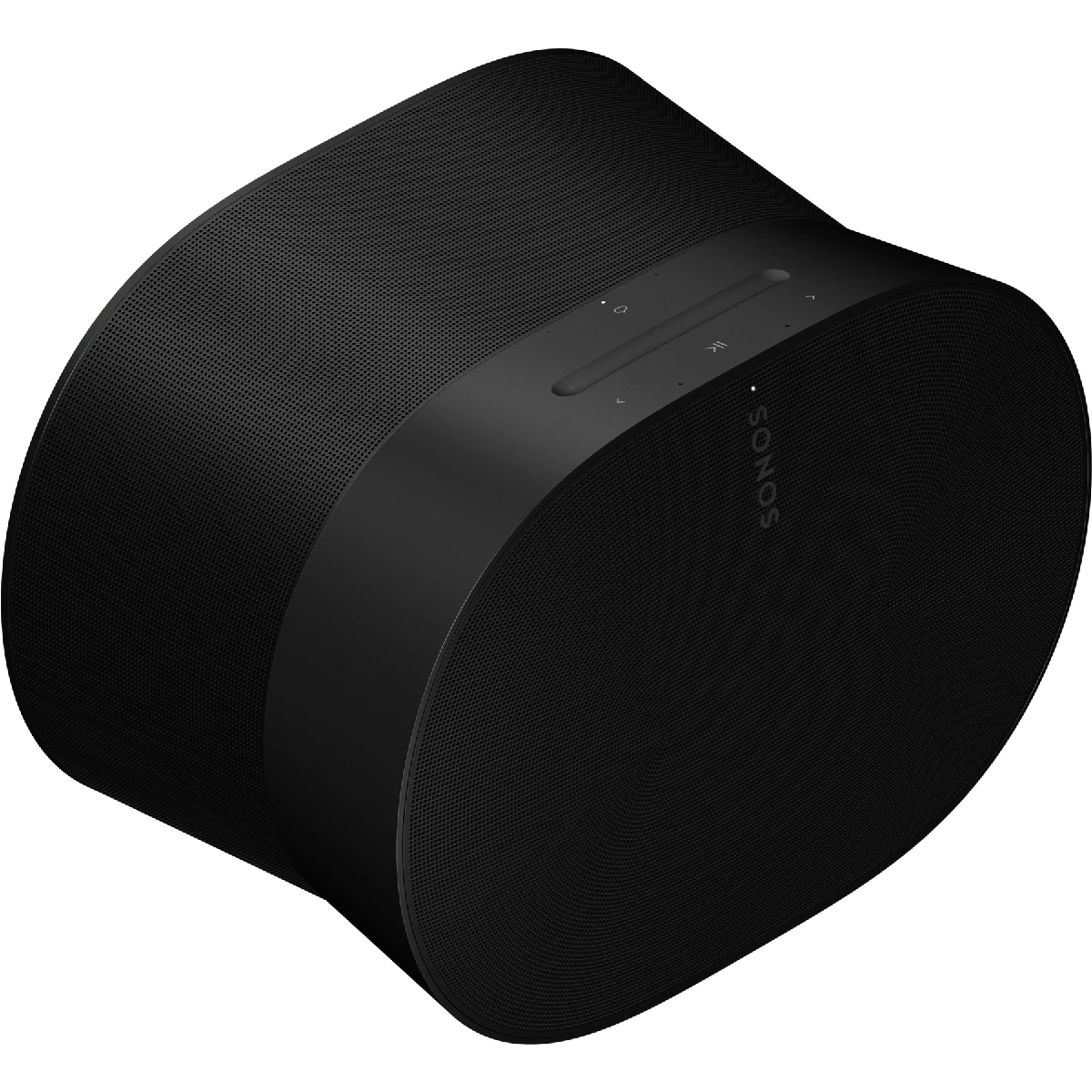
Sonos Era 300 speaker
Sonos is one of the systems we work with. Equipment is selected for each project.

Home theater

Make movie night
feel like an occasion.

We plan speakers, amplification and connections around your room, seating and screen, then tune the installation for the space.

  • Speaker layout and connections
  • Practical equipment placement
  • Setup, tuning and everyday controls
Discuss your home theater

Outdoor listening

Bring a little more
life outside.

Extend music to patios and gathering spaces with speakers, wiring and equipment suited to the location and the way you use it.

  • Listening areas and speaker positions
  • Equipment suited to the environment
  • Control alongside your indoor system
Plan outdoor audio

Build on what you have

Keep what you love.
Improve how it connects.

A new system isn’t always the starting point. We can assess compatible speakers, amplifiers and sources, then discuss useful ways to add streaming, simplify control or extend to another room.

Talk through your existing system

A closer look, when you want it

The equipment behind the experience.

Interested in the details? Explore the Sonos audio components below.

Explore Sonos audio equipmentAmp, Port and manufacturer details
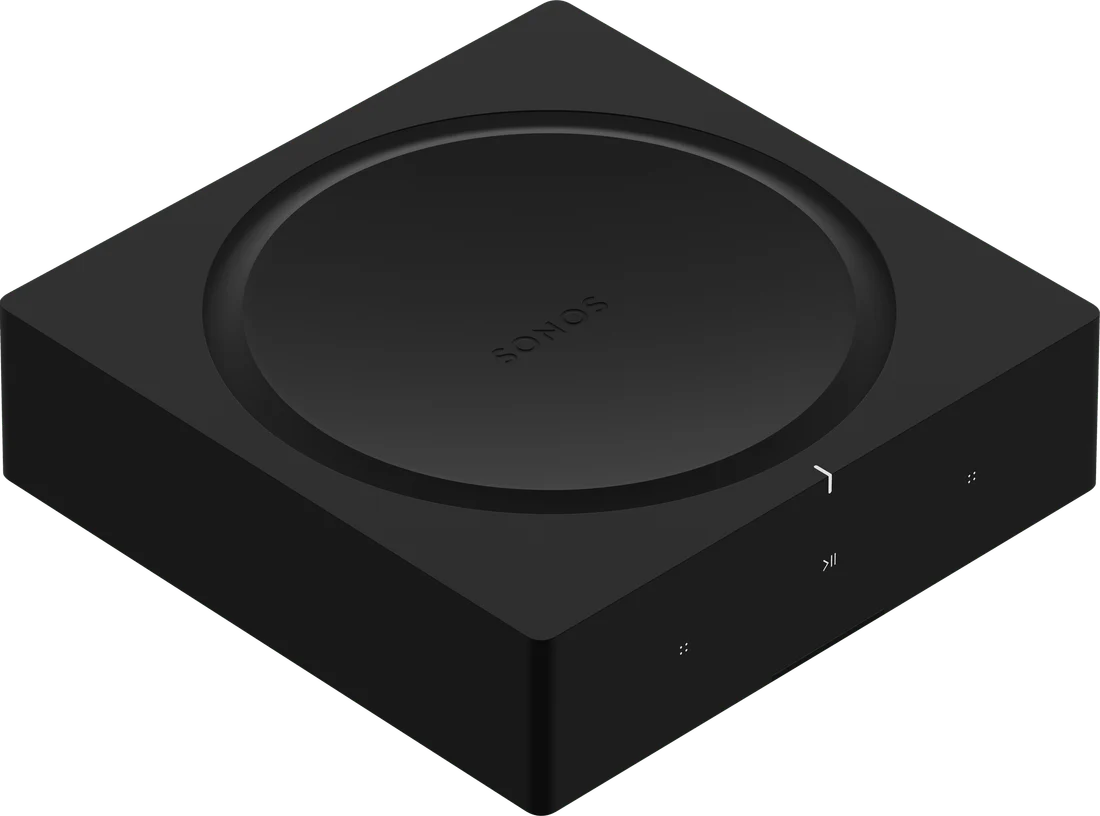
Sonos Amp

Wired speaker amplification

Sonos Amp

Power a listening zone with passive speakers, with music streaming and a wired network option.

  • Speaker outputs for compatible passive speakers
  • HDMI ARC for suitable TV audio; RCA input and subwoofer output
  • Ethernet or Wi-Fi networking, with a local mains connection

Speaker load, ventilation and the connection plan are matched to the selected room.

Sonos Amp manufacturer details ↗
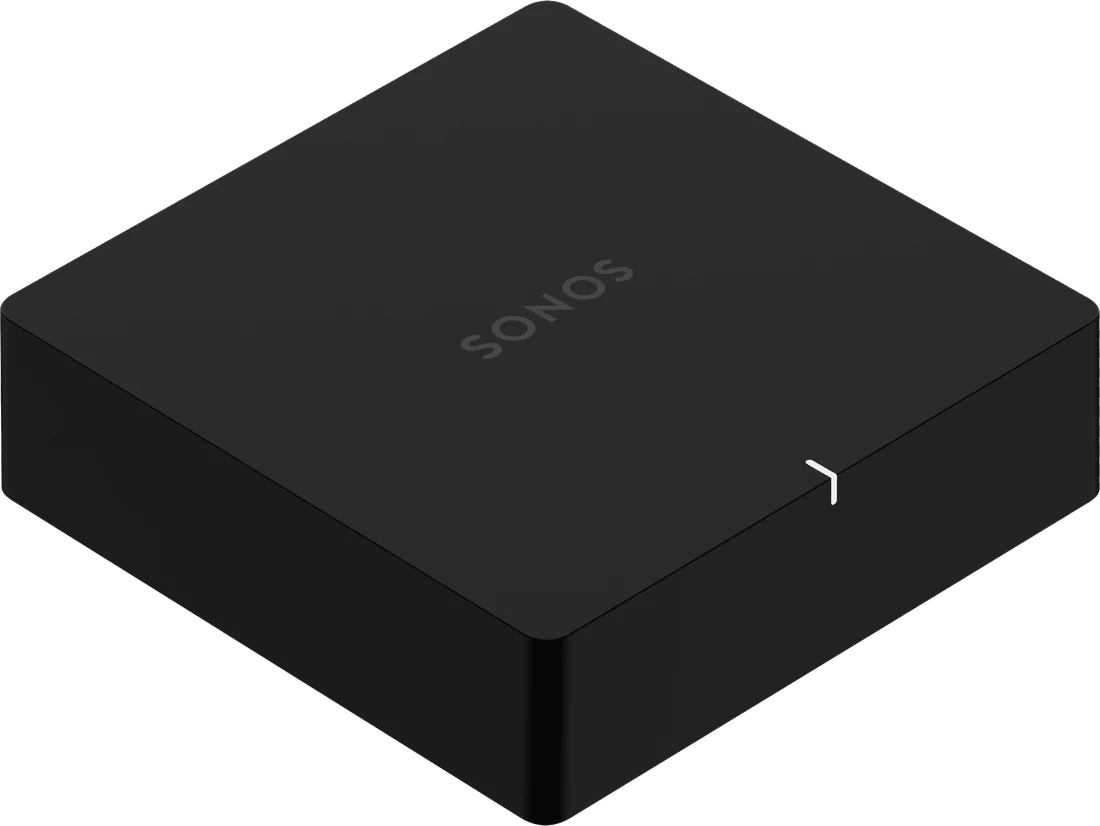
Sonos Port

Streaming for existing systems

Sonos Port

Add Sonos streaming to a compatible amplifier or receiver you already enjoy.

  • Analog RCA and digital coaxial outputs
  • Ethernet or Wi-Fi networking
  • A separate amplifier and local mains power are required

Port is a streamer, not a speaker amplifier, and is not powered by PoE.

Sonos Port manufacturer details ↗

Thoughtful behind the scenes

The equipment.
The routes. The details.

A good layout considers where the system lives and how every connection reaches it.

A dry, accessible indoor headend

Locate network hardware, streamers and zone amplifiers in an accessible indoor equipment area with ventilation and service clearance. Keep the amplifier indoors when outdoor speakers are connected.

A separate, suitable indoor garage equipment point can power the garage speakers and network locally. Amplifier channels and speaker loads are designed per zone.

Sonos amplifier placement guide ↗

Speakers aimed at the people

Place indoor speakers around the listening position and keep their sound paths clear. Era 300, for example, needs at least 1 inch behind it and 8 inches at each side when placed near a wall or on a shelf.

Outdoor speakers face the seating. The patio and beach are separate listening zones, with weather-rated speakers distributed around the areas people use.

Indoor placement ↗ · Outdoor placement ↗

Direct burial or an underground conduit?

Both are planning options. Use cable specifically rated for its route: direct-burial cable for earth contact, and moisture-suitable cable inside an underground conduit. A pipe does not turn ordinary indoor cable into outdoor cable.

Conduit can provide a protected, replaceable route. Speaker cable and network cable serve different purposes; select each for its run length, load and environment. Final route, depth, separation and shoreline work depend on the site and local requirements.

Outdoor network cable guidance ↗
See the outdoor connection options

Speakers from indoor amplifiers

A dedicated outdoor-rated speaker cable carries amplified audio to passive patio or landscape speakers. Weatherproof terminations and cable gauge are matched to the selected system.

Outdoor speaker manual ↗

Fiber to the detached garage

This concept uses a fiber data link to the garage, with local power for its switch and amplifier. Fiber carries network data, not amplifier power or PoE; a local PoE switch powers a garage access point.

Outdoor fiber options ↗

Dedicated Wi-Fi for outdoor listening

A PoE-fed outdoor access point serves the patio; a second planned location serves the beach seating. Antenna direction, weather exposure and the return signal from phones matter alongside AP placement.

Omada 7 Outdoor antenna specification ↗

Manufacturer references: Omada Design Hub, Sonos Amp, Sonance landscape systems. Layout choices shown here are illustrative design decisions for this example property.

Wired audio & AV networks

Good connections.
Better-planned zones.

Choose the connections around your speakers, sources and controls.

Learn more: hardwiring audio zones

Network-capable streamers and amplifiers can use Ethernet where supported. Passive speakers need speaker cable from compatible amplification. Those are two separate connections with different jobs.

Plan the zone boundaries, amplifier channels, speaker loads and control method together. Separate zones can share music or play independently when the selected system supports it.

Learn more: Omada, AV over IP and AVB

Omada provides the network foundation. Audio hardware, multicast settings and bandwidth are selected for the system; AVB requires verified compatible hardware across its stream path.

Explore the Omada & AVB networking guide ↗

Learn more: what does a 7.2 surround system include?

Seven main speakers: left, center and right at the screen, two side surrounds and two rear surrounds. The .2 represents two subwoofers. Height speakers are additional channels, shown by a third number in an Atmos layout.

We plan the seating, speaker positions, receiver capability, cable paths and power together. Dual-subwoofer positions need room measurements and calibration. Construction prewire makes it easier to place every channel and prepare the TV wall before drywall.

Dolby speaker-placement guidance ↗

A little clarity

Questions worth asking.

Does wireless audio still need power?

Yes. Mains-powered active speakers need nearby outlets even when their streaming connection is wireless.

Is speaker cable the same as Ethernet?

No. Speaker cable carries amplified audio to passive speakers. Ethernet carries network data and may provide PoE to equipment designed for it.

Can the patio and beach play different music?

They can be separate zones when the selected system has the required amplification, sources and controls. We agree the zone design before selecting the equipment.

Do all wired audio systems use AVB?

No. AVB is one specific network transport. A project may instead use ordinary streaming over Ethernet, a different AV-over-IP protocol, or passive speaker wiring.

Where should outdoor amplifiers be installed?

The example uses dry indoor equipment locations with ventilation and service access. Outdoor speakers and cable are selected for the exposure.

Plan now. Choose at your pace.

Explore the possibilities for your home.

Compare example tiers and see how prewire lets you choose equipment in stages. Every home is quoted individually.

Explore home options ↗

A good place to start

What would you like
your home to do better?

A few details are enough to begin. We’ll help you think through the next step.

Let’s talk about your project